

Introduction
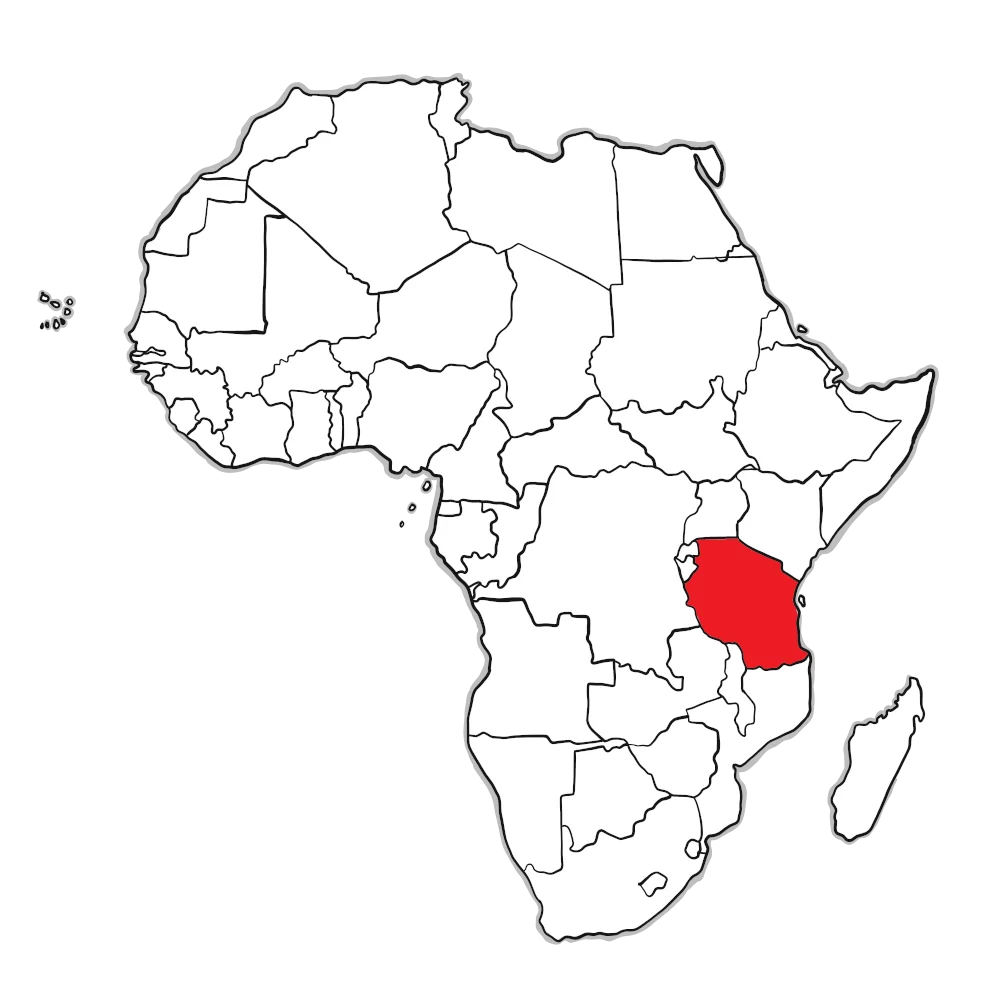
Tanzania’s National Multisectoral Early Childhood Development Programme (NM-ECDP) 2021-2026 represents a strong national commitment to improving outcomes for children aged 0-8, with a robust framework and clear institutional mandates. However, as in many systems, a persistent gap exists between policy design and effective implementation. Baseline assessments in 2024 revealed that while coordination platforms existed, they were often procedural; sectors operated in silos; data were collected but not used for decision-making; and a deficit-based mindset prevailed. This case study examines how the Government of Tanzania, in partnership with Spark Health Africa and with funding from the Conrad N. Hilton Foundation, designed and delivered a Transformative Leadership and Culture Change initiative to address these systemic bottlenecks and operationalize its national ECD strategy.
Challenge
Tanzania Case: Key Pillars of the Government’s Response (The Intervention)
Translating a strong national ECD policy into effective, coordinated implementation at the subnational level.
Cross-cutting Outcomes and Key Lessons
The initiative successfully secured high-level leadership commitment. District Executive Directors demonstrated ownership by allocating local government funds to ECD activities, proving that when leaders champion ECD as a multisectoral priority, resources follow.
By embedding coaching into existing government platforms (like nutrition steering committees) and fostering trust-based resource-sharing (e.g., one sector providing fuel, another providing a vehicle), the initiative demonstrated how routine practices can be systematically woven into the fabric of government operations without creating parallel structures.
The initiative demonstrated that progress is uneven but possible. One district (Kongwa) developed a robust target-based culture, consistently reporting numerators and denominators with high precision, while others required more support. This highlights the need for sustained investment in data culture.
The intervention shifted mindsets from a deficit-based approach to optimizing existing resources. The practice of resource-sharing and joint planning reduced competition, enhanced coordination, and maximized the impact of limited public funds.
The combination of bringing together multisector teams in one space (for the first time) through training and subsequently during coaching sessions proved essential. While training shifted mindsets, coaching translated those shifts into sustained behavioural and process changes, making it a critical component for closing the implementation gap