

Our partnership with the Conrad N. Hilton Foundation started in 2022 when we facilitated their Early Child Development Partners in East and Southern Africa convenings.

Kenya – 2022

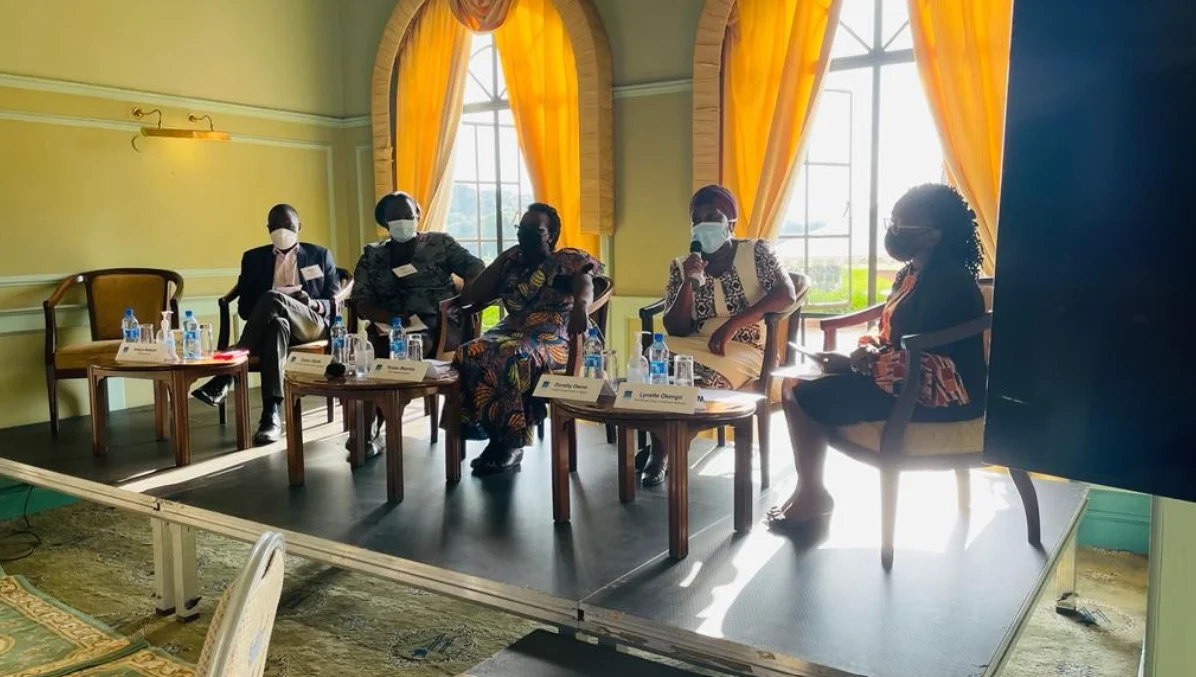
The Conrad N. Hilton Foundation (CNHF) organised the first country-specific, in-person convening in Kenya after the series of global lockdowns imposed by the COVID-19 pandemic that lasted over 2 years. Priority for the Hilton Foundation was to re-establish the human connection amongst partners and to discuss topical issues affecting implementation.
Kenya – 2023

Following recommendations from the June 2022 Hilton Foundation ECD Partners’ Convening in Kenya, Spark Health Africa convened the same partners for a capacity-building workshop on collective impact. The workshop was designed to lay the foundation for joint action among partners, with a central focus on the acknowledged lack of collaboration—and presence of competition—between them. It sought to understand the drivers of this behaviour and to agree on mechanisms for improved coordination, shared measurement, and communication.

The workshop delivered seven headline outputs: a shared diagnosis of the drivers of competition across partners, the funder, and government; the introduction of the five collective impact building blocks as a common framework; agreement on the principle of a shared measurement system, with a mandate for partners to co-develop common indicators; a baseline inventory of existing communication platforms and identified gaps; a collective vision for Kenya’s ECD landscape; a completed partner mapping against the Foundation’s strategy and geography; and individually documented partner commitments to joint action and mutual accountability.

Tanzania – 2023

Spark Health Africa facilitated an Early Child Development Partners in East and Southern Africa convening in Tanzania. The purpose of the convening was to:
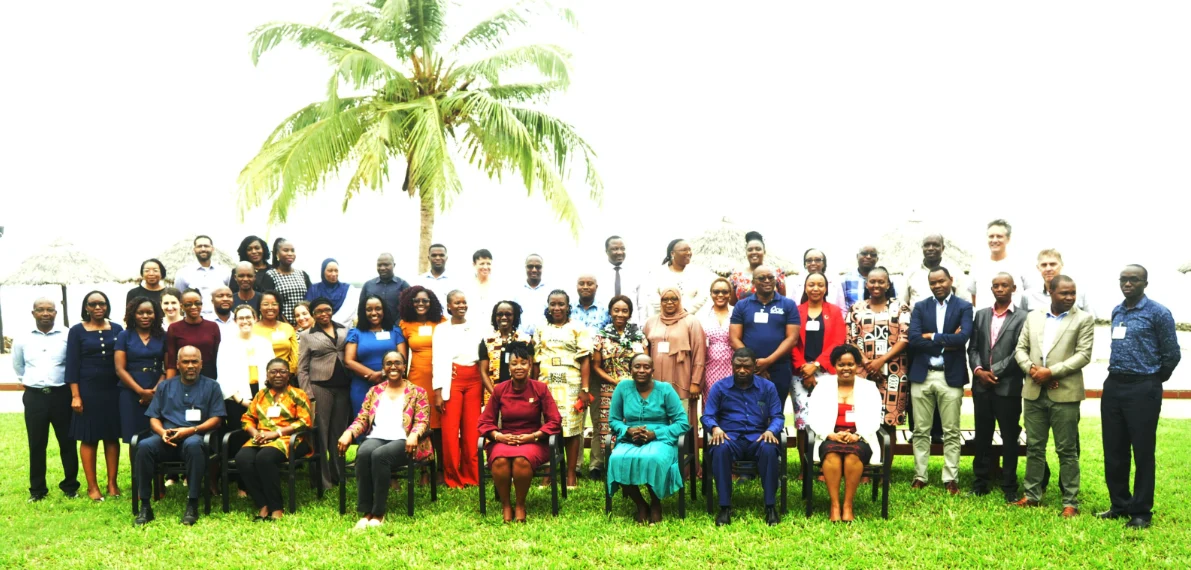
  • understand and interrogate the alignment between the national ECD priorities – as articulated by the Government of Tanzania, the Hilton Foundation Strategy25 (S25) and the grantees’ strategies.

  • create space for ECD stakeholders in Tanzania to debate, discuss and join forces to advance the agenda for young children under the guidance of the National Multi-Sectoral Early Childhood Development Program (NMECDP).

Key takeaways from the convening were that:

  • The government of Tanzania is committed to the NM-ECDP and structures have been put in place at national and regional level. Work still needs to be done at council and community level to operationalise the NMECDP. Further, operationalisation of the NMECDP needs to go beyond the establishment of structures to having the necessary mindset and work culture that embodies the multi-sectoral approach.

  • There is alignment of funder priorities and grantee efforts with government efforts. Grantees need to be more deliberate in collaborating and leveraging off each other’s work.

Mozambique – 2023

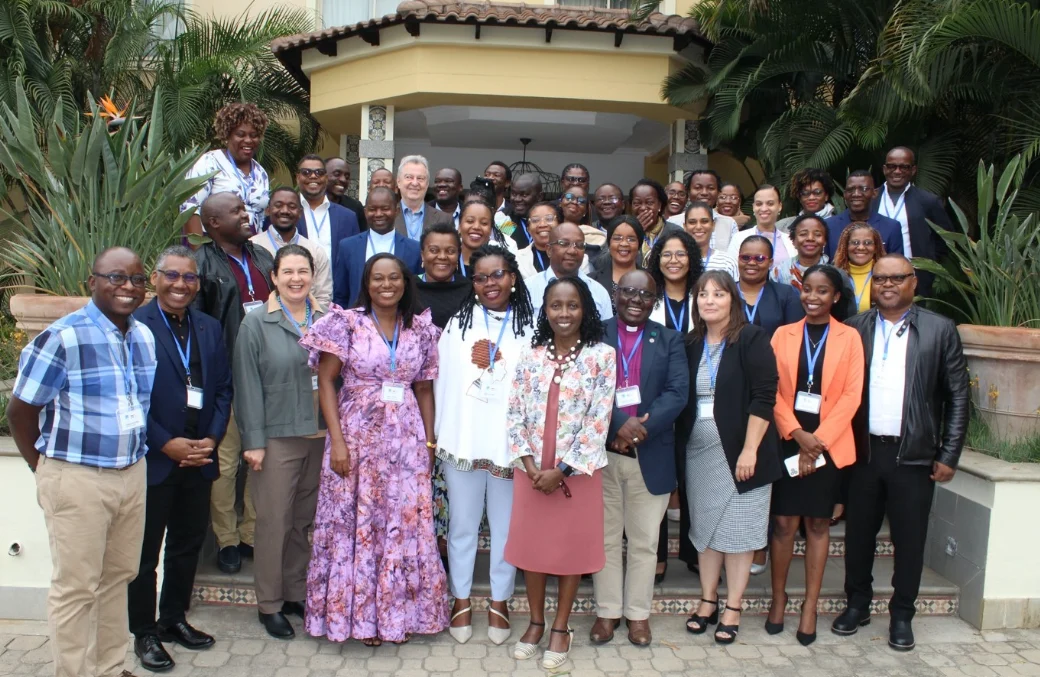
Spark Health Africa facilitated an Early Child Development Partners in East and Southern Africa convening in Tanzania. The purpose of the convening was to T bring partners, most of whom, until having been funded by the Hilton Foundation, had never worked together, in the same space to share who they are, what they do, and how they do it in the context of supporting ECD in Mozambique. our Content Goes Here
Key recommendations emerging from the convening were around:
  • 1

    Alignment Across Ministries: Recognize the need for inter-ministerial collaboration and coordination to ensure the holistic development of children, ensuring that ECD is a shared responsibility across ministries.

  • 2

    Data-Informed Decision-Making: Invest in data collection, analysis, and sharing mechanisms to guide ECD initiatives. Utilize data for evidence-based policy development, implementation, and evaluation.

  • 3

    Community Engagement: Foster community involvement in tailoring ECD interventions to specific needs and contexts. Ensure that local communities are informed and engaged in the process.

  • 4

    Strengthening Advocacy: Embrace collaborative advocacy efforts that involve various stakeholders. Prioritize tailored messaging, timely initiatives, and data-driven strategies. Engage with government ministries to influence policy changes effectively.

  • 5

    Multisectoral Approach: Recognize the importance of a multisectoral approach in ECD initiatives, bringing together health, education, social services, and other sectors to provide comprehensive support for children and their families.

Lake Region Economic Bloc, Kenya – 2024

Spark Health Africa facilitated a Science of Scaling Workshop for the Lake Region Economic Bloc of Kenya, bringing together multisectoral team chairpersons, sectoral representatives, and political leaders from seven counties in Phase 1 of scaling efforts. The workshop revealed several critical insights, namely:

Spark Health Africa facilitated a Science of Scaling Workshop the Lake Region Economic Bloc (LREB) in Kenya to develop a scaling strategy for Early Childhood Development interventions. This work, supported by the Conrad N. Hilton Foundation, was grounded in the ExpandNet/WHO scaling framework—a structured and evidence-based approach to navigating scaling complexities.

  • Strong Political and Institutional Backing: High-level participation demonstrated genuine buy-in, with one politician remaining engaged throughout the entire 2.5-day workshop—a powerful testament to the priority placed on ECD scaling in the region.

  • Strong Political and Institutional Backing: High-level participation demonstrated genuine buy-in, with one politician remaining engaged throughout the entire 2.5-day workshop—a powerful testament to the priority placed on ECD scaling in the region.

  • Appetite for Structured Scaling Frameworks: Teams demonstrated genuine enthusiasm for applying the Nine Step guide to scaling beyond ECD, reflecting a mindset shift toward adopting systematic scaling approaches. This enthusiasm extended to exploring synergies between the demand-driven Mountain Model for Public Sector Scaling and the WHO/ExpandNet framework.

  • Need for Cross-County Learning: Teams engaged enthusiastically during best practice sessions, sharing experiences and asking critical questions. This highlighted the lack of previous opportunities for inter-county collaboration, pointing to the need for sustained platforms for information sharing.

Tanzania – 2024-2025

Following the convening of the Hilton Foundation’s grantees and representatives of the Government of Tanzania, the Ministry of Community Development, Gender, Women and Special Groups, invited Spark Health Africa to collaborate on a Transformative Leadership & Culture Change initiative aimed at catalyzing the implementation of the National Multi-sectoral Early Childhood Development Programme (NM‑ECDP) 2021-2026. We piloted the intervention in four districts located in Dodoma Region, namely, Dodoma City, Kongwa, Chamwino, and Bahi. By strengthening governance mechanisms and promoting data-driven decision-making, we helped local multisectoral teams improve resource mobilization and accountability in ECD service delivery. Read more below.

Share This Story, Choose Your Platform!